Julian Hills, Navi
Chefs Engagés
Chefs Engagés
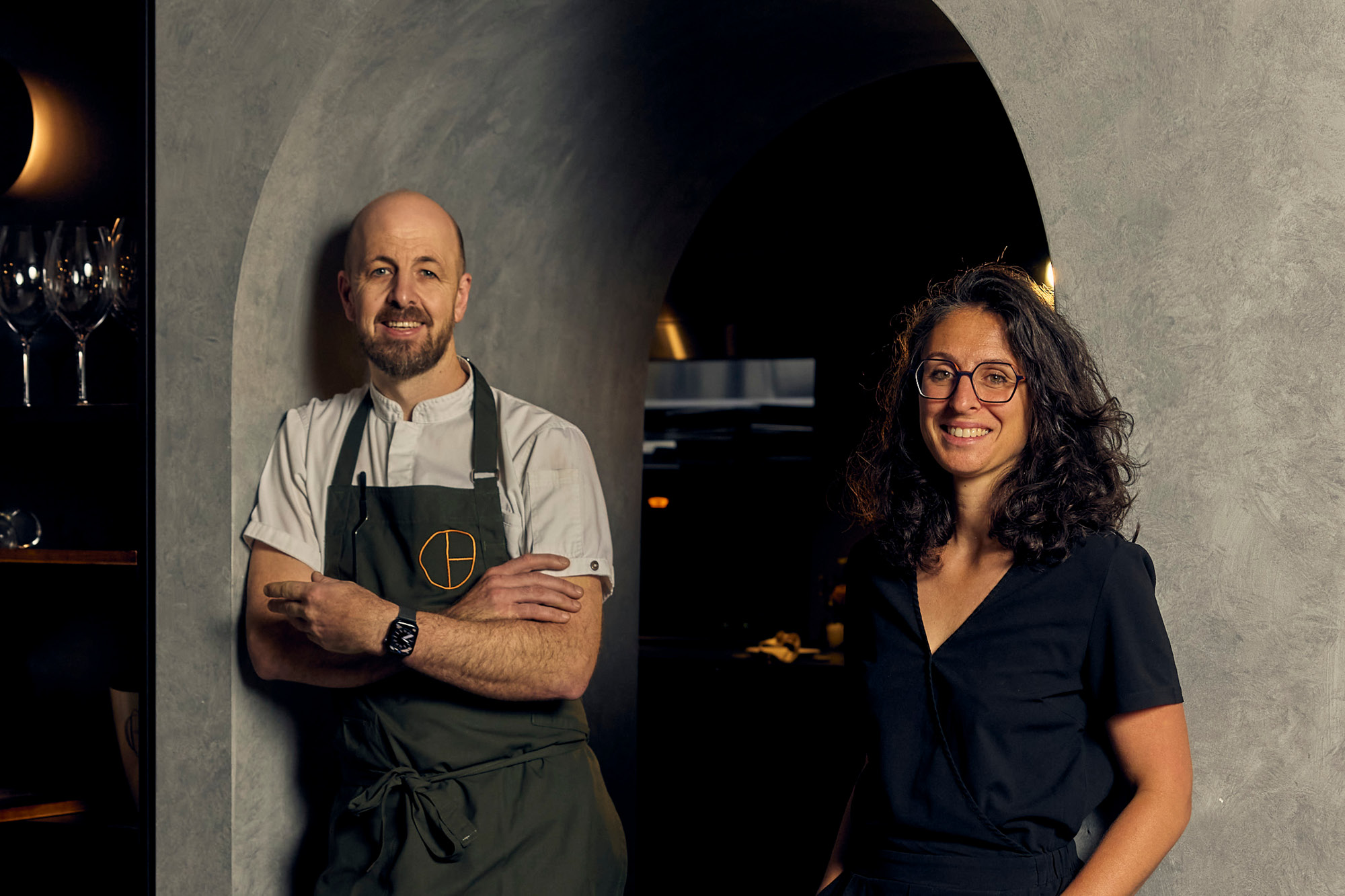
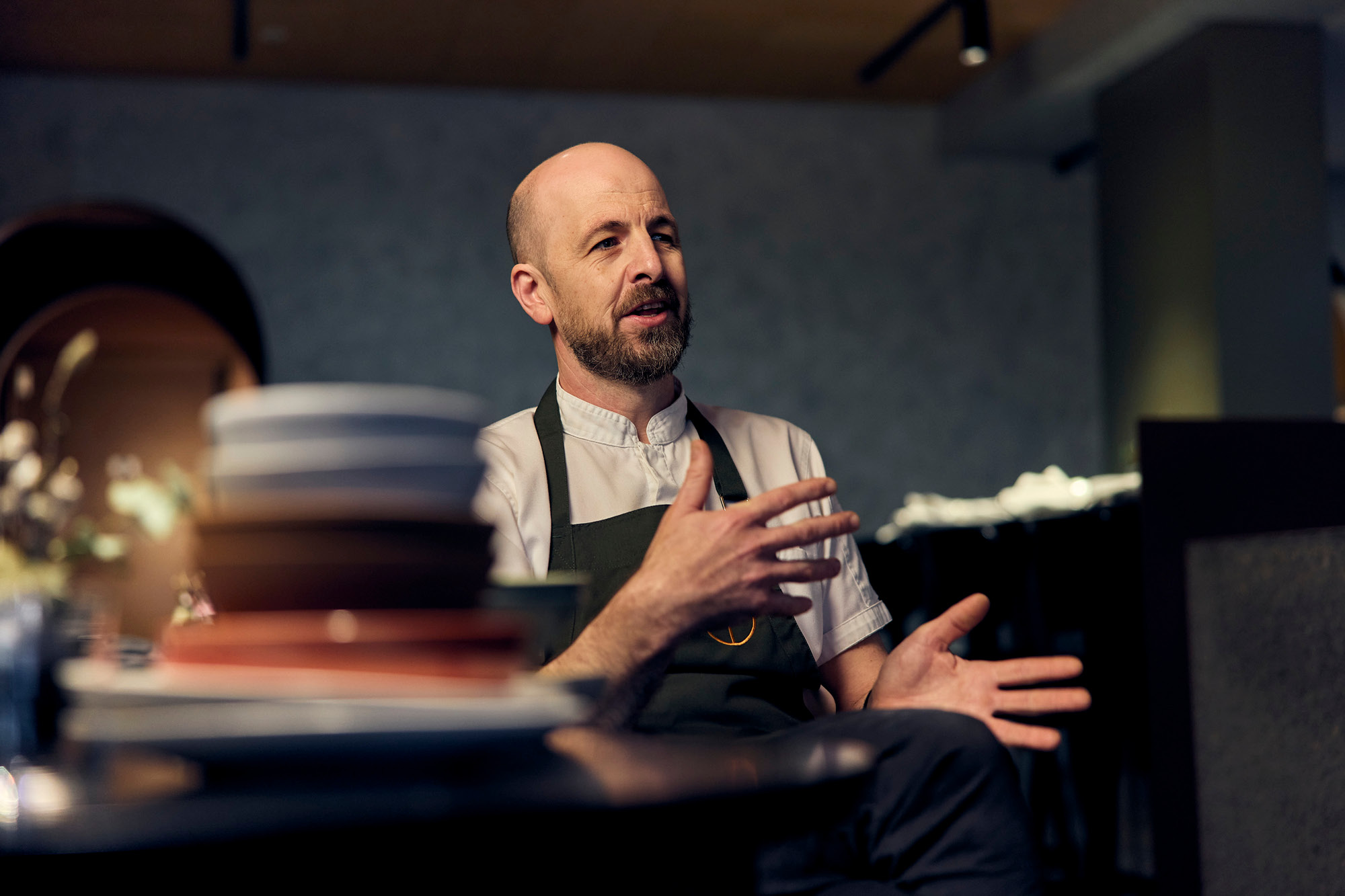
Champagne AYALA has been meeting passionate Chefs whose culinary practices go far beyond the plate — chefs whose commitment to people and the planet gives true meaning to their cuisine, chefs who are making things happen. One such encounter led the House to Chef Julian Hills, Chef & owner of Navi, in Melbourne, Australia — the eigth member of the growing community of Chefs Engagés, joining the committed chefs David Sulpice at La Villa l'Etang Blanc, Luke Holder at Limewood Hotel., Gianni Pinto at Noi, Alice Arnoux at Café de l'Usine, Manon Negretti-Guichard at Bonnotte and Graham Squire at The Goring and Quentin Gallopyn at Vicomté.
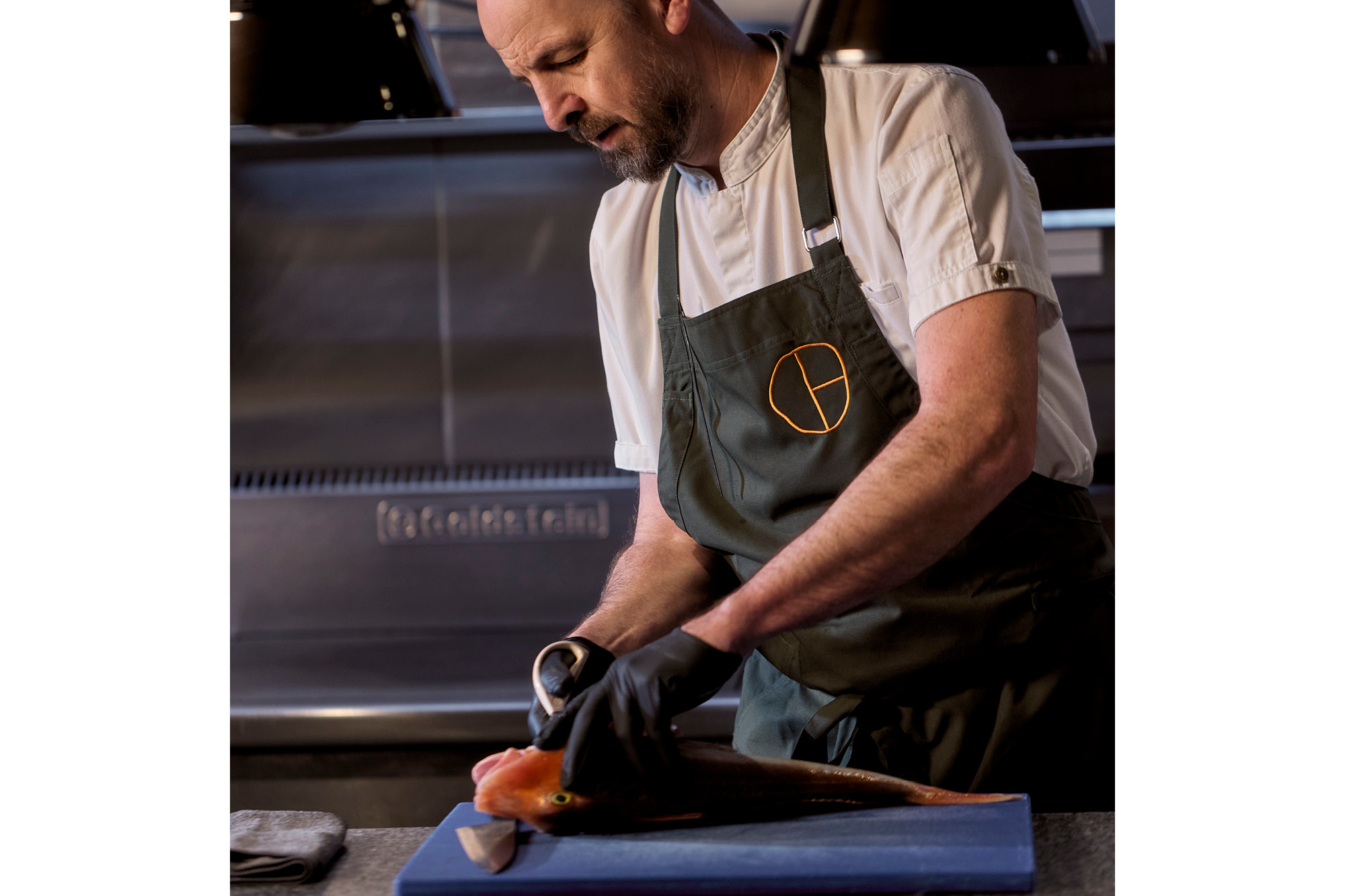
Through his self-taught journey, his deep connection to the land and his pursuit of authenticity, Chef Julian Hills embodies a generation of chefs for whom provenance, human connection and precision are inseparable. His holistic vision—shaped by his childhood in the heart of the Strzelecki Ranges and by an intimate relationship with producers—resonates with the philosophy of Champagne AYALA, a historic Maison that places terroir, sincerity and exacting craftsmanship at the core of every creation.
Together, they celebrate a shared approach: honouring origin, elevating the living world and shaping an art of living grounded in respect, transmission and balance. An alliance that sketches the gastronomy of tomorrow — more conscious, more sensitive and profoundly connected to nature.
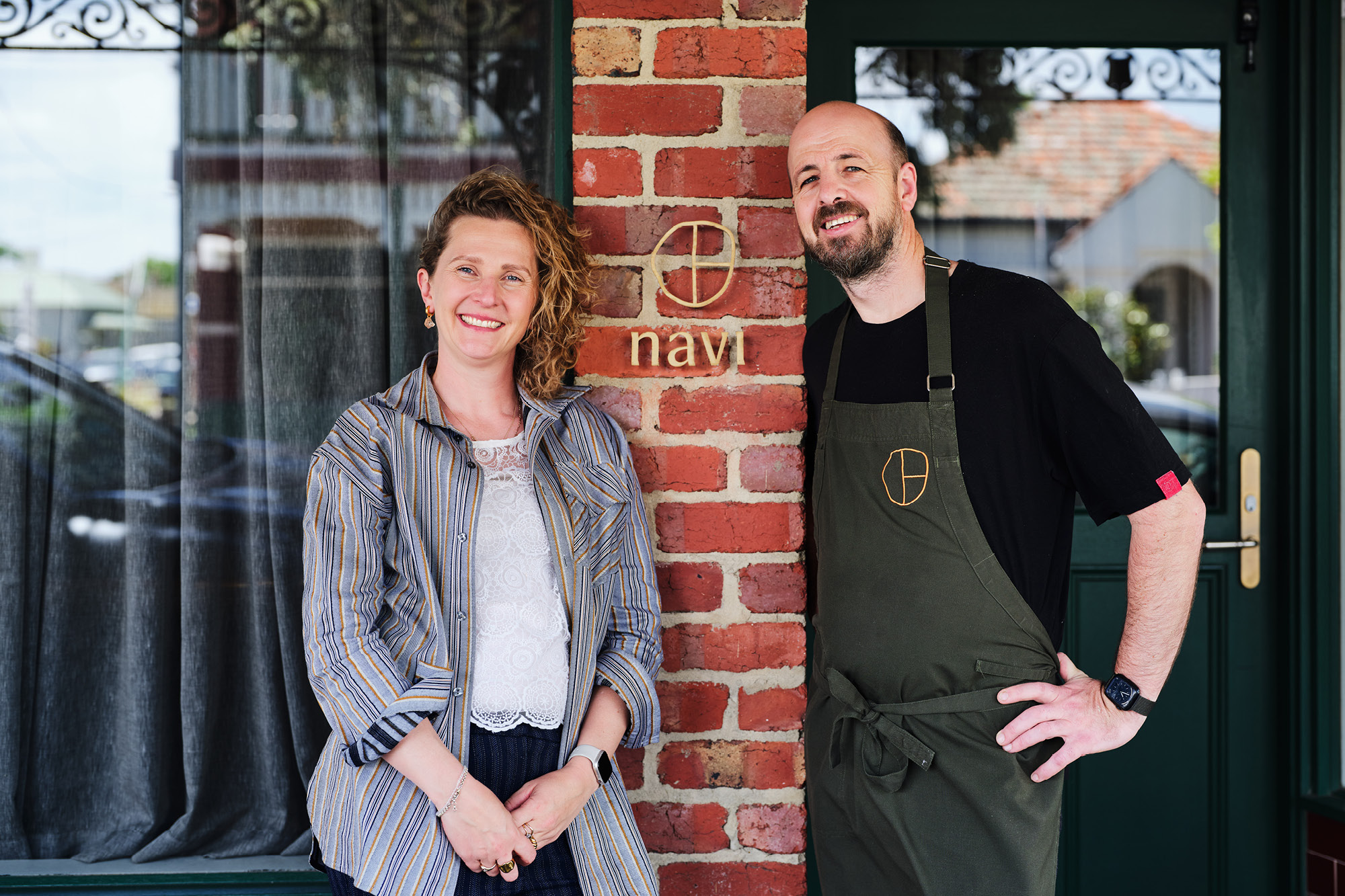
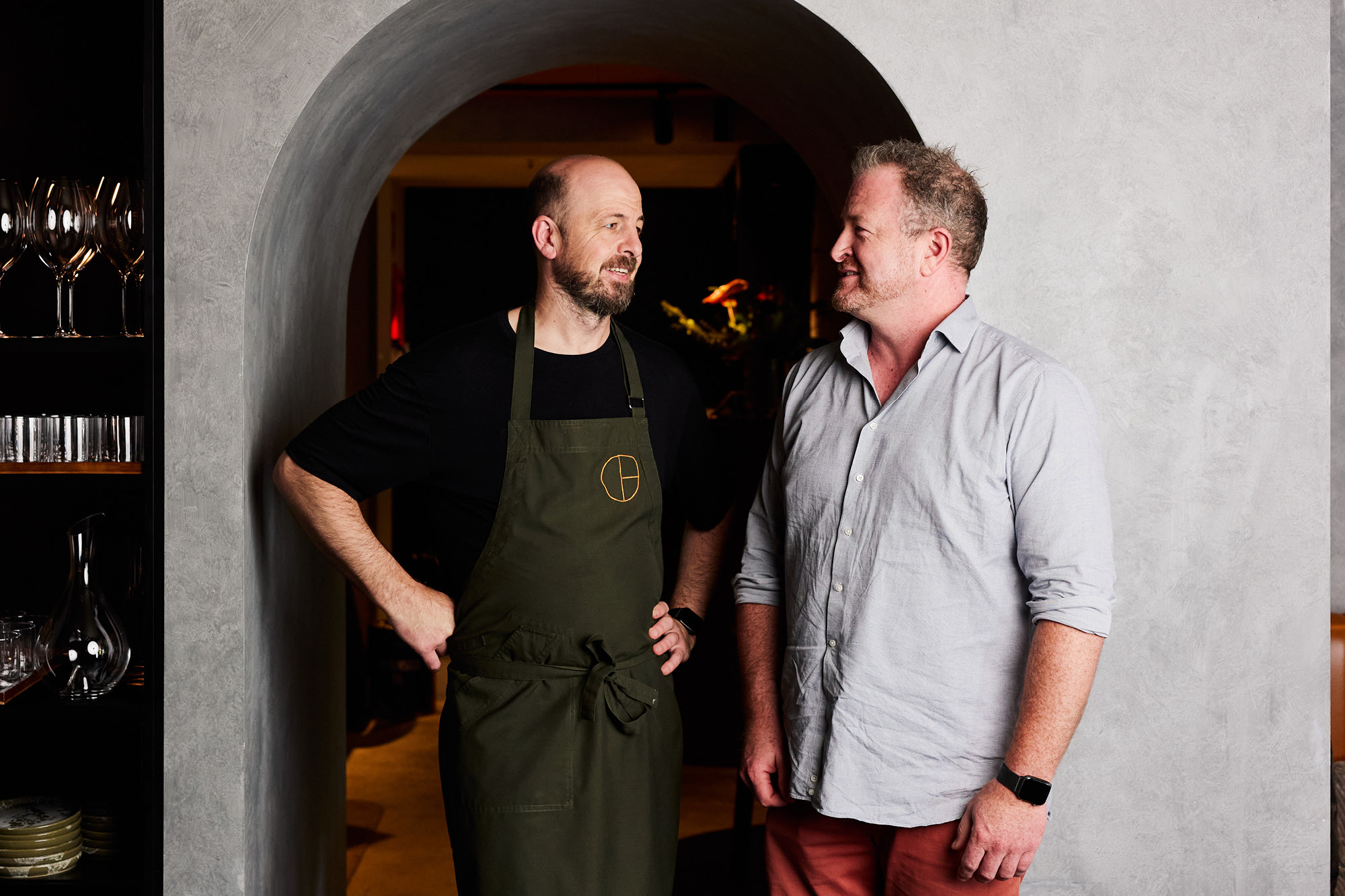
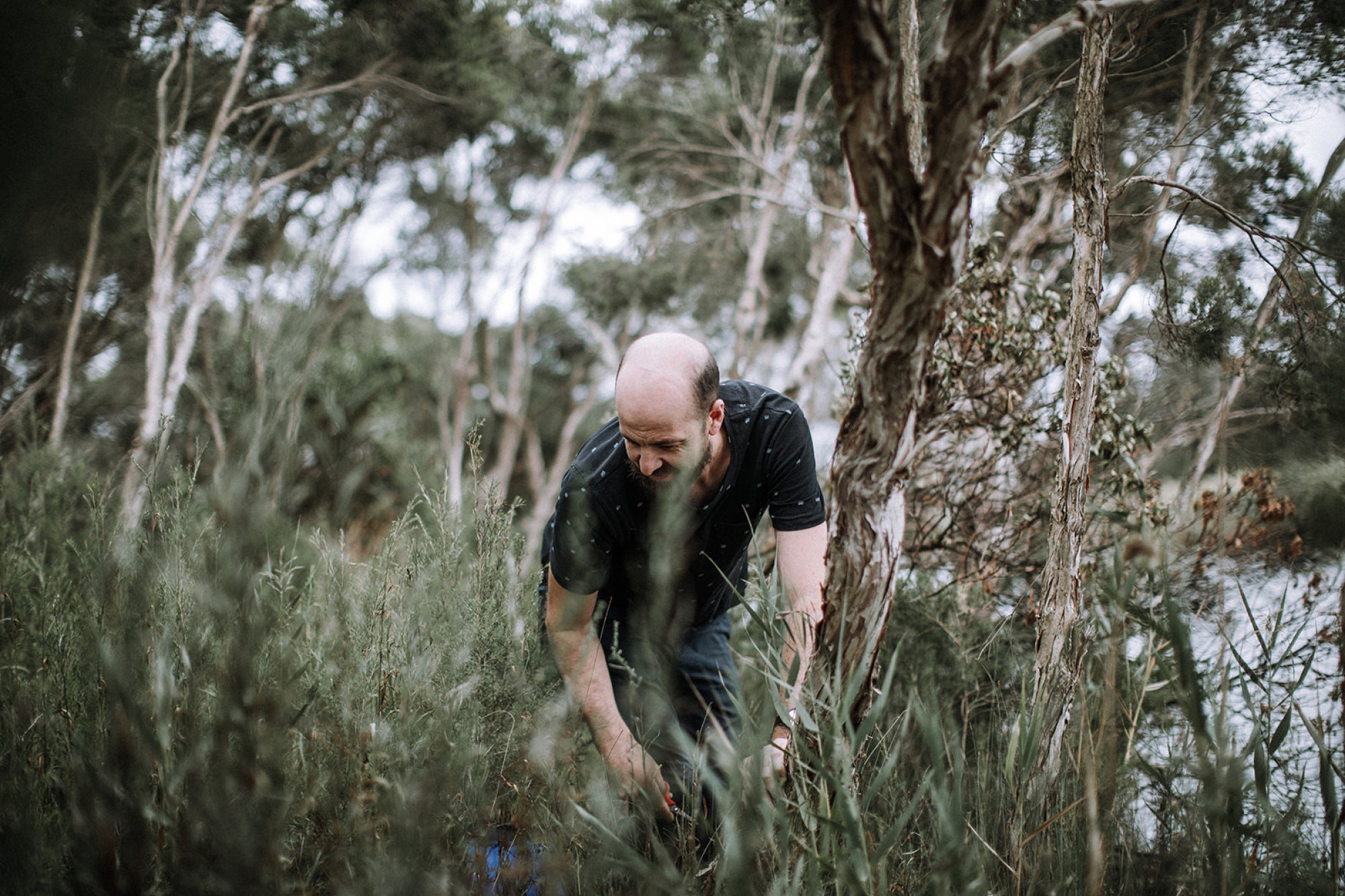
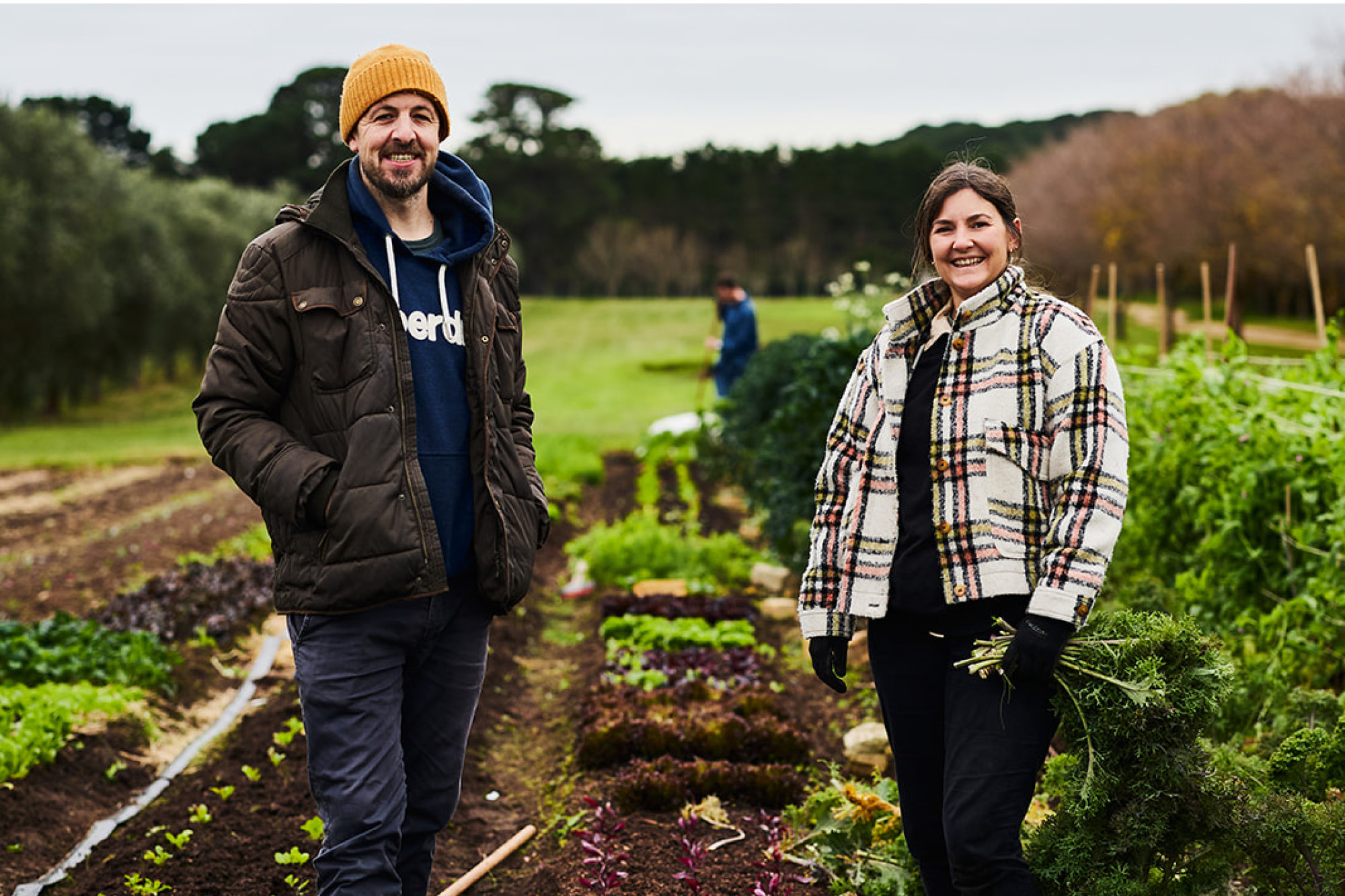
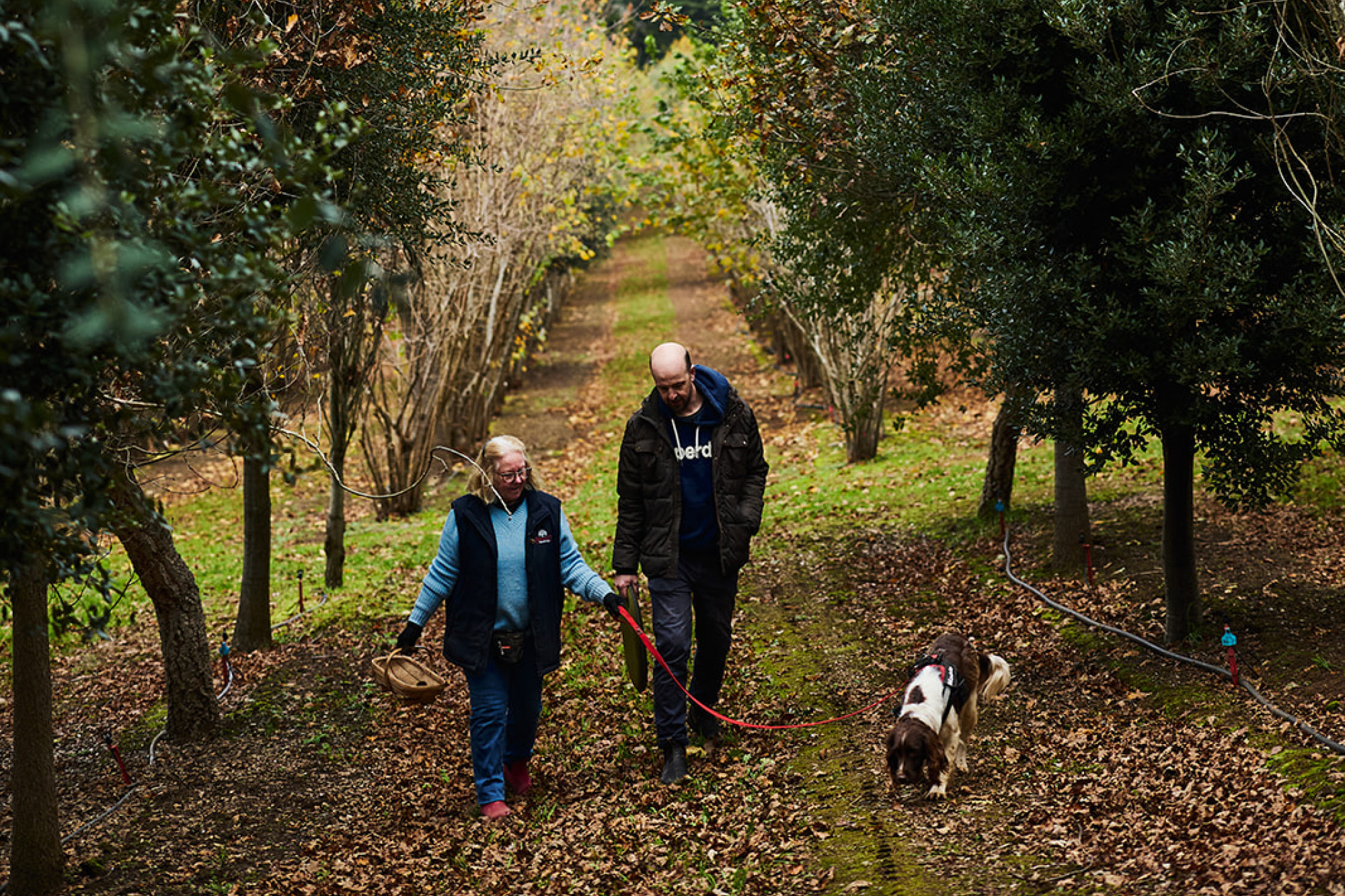
Julian Hills is not a chef who came up through the ranks of prestigious culinary schools. His story is one of instinct, curiosity, and a deep connection to the land. Born and raised on a hobby farm in the Strzelecki Ranges of Victoria, he grew up surrounded by nature — wild foraging, gardening, fishing, and living with the rhythm of the seasons. That early immersion in the natural world shaped his intuitive approach to ingredients. He recalls spending hours collecting berries, preserving mushrooms, and experimenting with whatever the land offered — guided more by curiosity than by recipes.
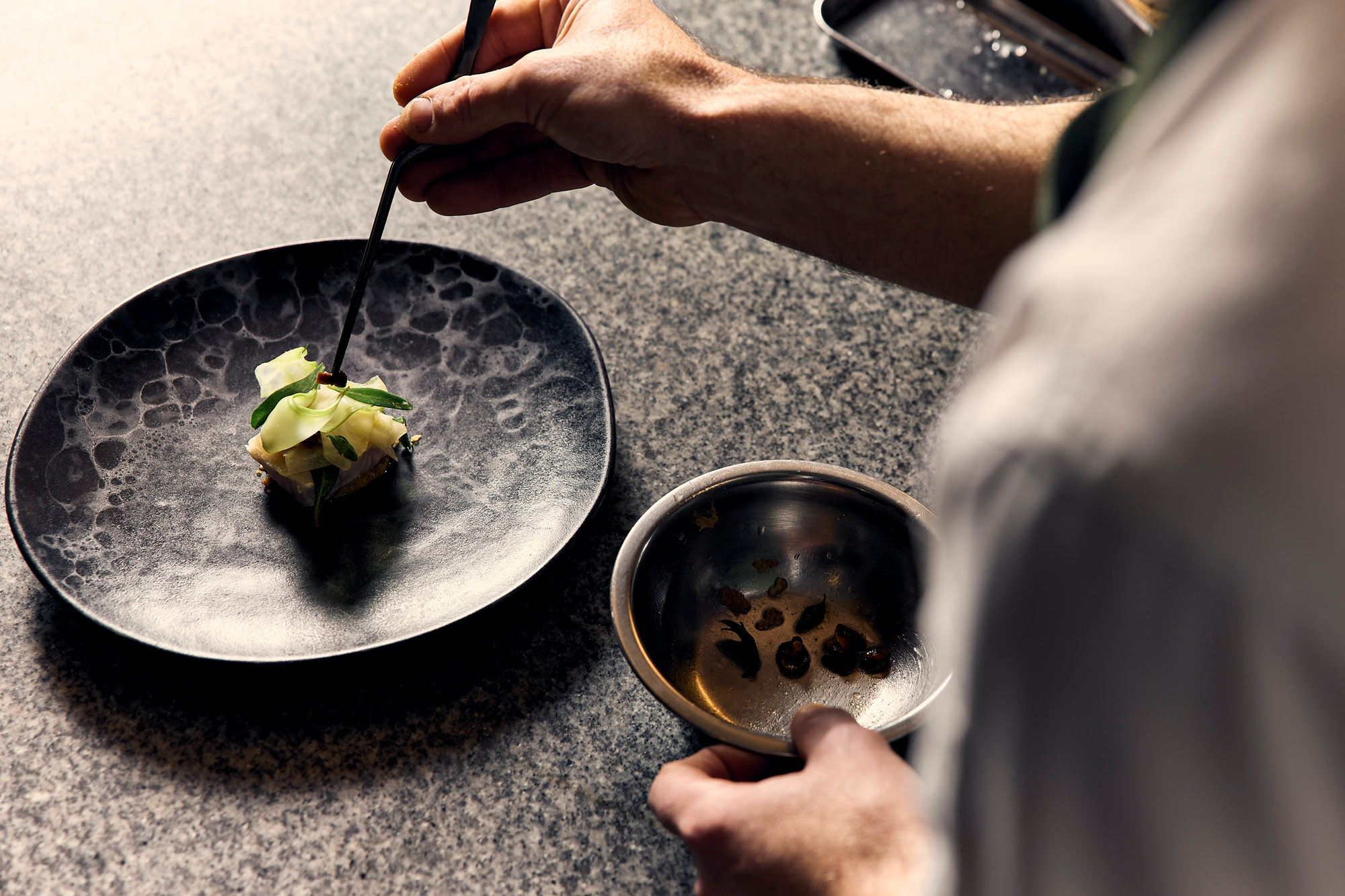
Instead of pursuing formal culinary training, Julian followed his own path. He studied fine arts, specialising in ceramics at RMIT University — a creative foundation that would later find its way into his kitchen. Today, he designs and handcrafts much of the tableware used at his restaurant, transforming each plate into an extension of the dish itself.
His first professional experiences were humble ones. Julian found himself, at just 17, running the carvery at Melbourne’s Myer Marketplace Restaurant. He admits he “didn’t really know how to cook,” yet he quickly learned how to transform a roast, adjust a sauce, and build flavour through instinct. From there, he accumulated experience both in Australia and abroad — cooking in ski resort kitchens in the United States, working on the East Coast, and eventually becoming sous-chef and then head chef. Each place, each collaboration, brought new techniques, perspectives, and inspirations. But it was on returning home to Victoria that Julian truly defined his culinary identity. At Paringa Estate on the Mornington Peninsula, he led the restaurant and refined his philosophy: seasonal menus, ultra-local produce, and direct relationships with small farmers and growers. Even after leaving Paringa, those bonds with local producers, gardeners, and artisans remained central to his work.
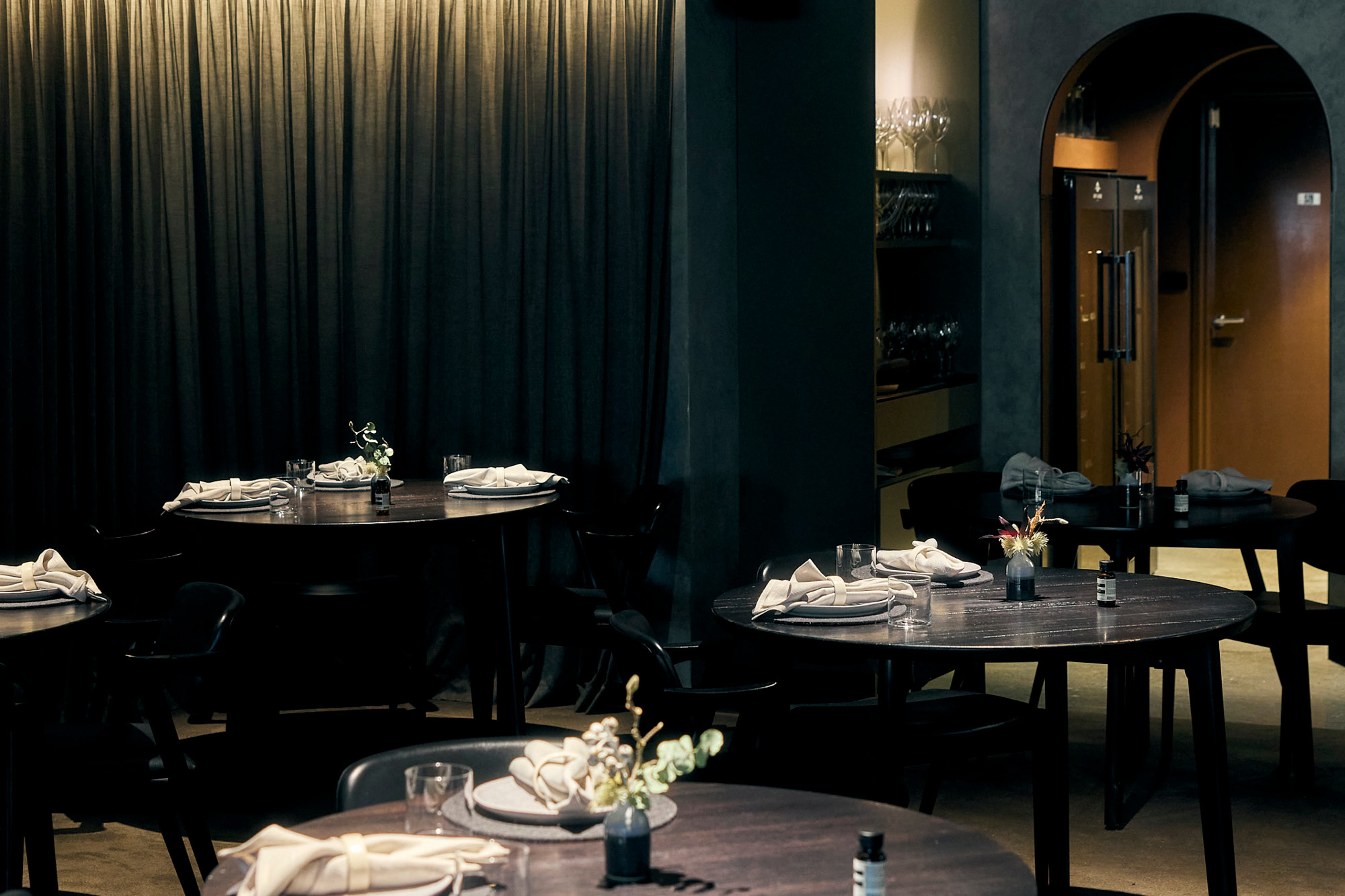
In 2018, he opened Navi, an intimate 32-seat restaurant in Yarraville, west of Melbourne. The name “Navi” means “local” in Cherokee — a tribute to his paternal roots. Here, Julian combines rigorous technique with global inspiration — from Japan to South America — while staying deeply anchored in the Australian landscape.
Recognition soon followed: in 2023, Julian Hills was named Chef of the Year by the Good Food Guide, and in 2024, Navi proudly retained its Two Hat status — a rare and prestigious distinction in the Australian dining scene.
Beyond awards, what truly defines Hills is his consistency and integrity. Every gesture, every dish, and every piece of tableware tells a story — a celebration of provenance, people, and place.
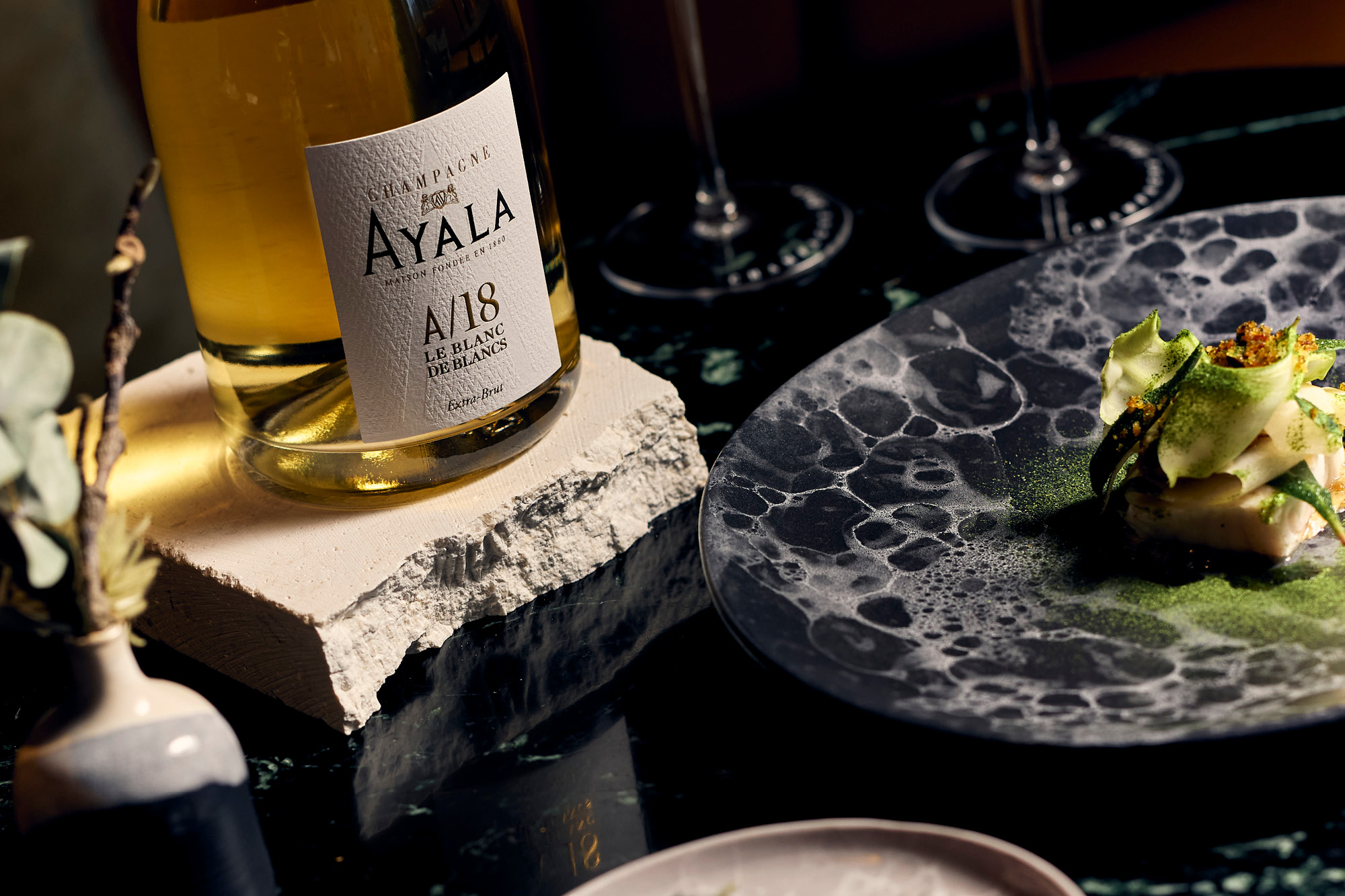
For Julian Hills, the future of cooking lies not in technique alone, but in creating a complete narrative — where ingredients, craftsmanship, presentation, and human connection come together as one.
Each dish must tell a story — of where it comes from, who grew or fished it, and who crafted the plate it’s served on. For Julian, the “who” is as important as the “what.”
He wants guests to understand the full journey behind what they eat: the wild herb foraged from a nearby field, the vegetable grown by a small farmer, or the handmade ceramic crafted by local artisans.
At Navi, many of the plates are made by Julian himself — a meeting of artistic expression and culinary craft.
A core principle of his philosophy is to let the product shape the dish. Rather than designing a fixed menu and sourcing ingredients to match, Julian visits farmers to ask what they grow best — then builds his dishes around their harvest.
This ongoing dialogue between chef and producer allows the menu to evolve naturally, reflecting the essence of the land and the season.
His menus are fluid, ever-changing, and responsive. Once a dish has been enjoyed, he’s ready to move on — “always ready for the next thing.”
For Hills, dining is a holistic experience. The dish’s flavour, the texture of the plate, the lighting, and the exchange between chef and guest all matter equally. He often steps out of the kitchen to present dishes himself, breaking the barrier between creator and diner — much like in Japanese dining culture, where every detail, from bowl to chopstick, carries meaning.
Another cornerstone of his vision is community. Julian works closely with farmers, fishers, artisans, and ceramicists — not large suppliers but individuals he knows personally. He visits their farms, learns from them, and grows alongside them. This “family of producers” shares his values of sustainability, respect for the soil, and ethical sourcing, creating a circle of trust around every ingredient.
In his view, sustainability is not a trend but a structural necessity. Reducing waste, favouring short supply chains, embracing native ingredients, and respecting natural cycles all form the foundation of a more conscious cuisine.
Locality remains central — not as a marketing concept, but as an essential expression of flavour. To Julian Hills, taste is a language through which a place speaks.
And above all, this cuisine is expressive — it tells the stories of the chef, the producer, the land, and the moment in which it was created.
Per visitare il nostro sito, è necessario avere l’età legale per il consumo di alcolici prevista dalla legislazione in vigore nel proprio paese di residenza.
Qualora nel paese di residenza non esista una legislazione al riguardo, è necessario avere almeno 21 anni. Accedendo al sito, l'utente accetta di rispettare questo obbligo e accetta le condizioni di utilizzo del sito.
L'abuso di alcol è pericoloso per la salute, consumare con moderazione