Julian Lechner, Reznicek
Chefs Engagés
Chefs Engagés
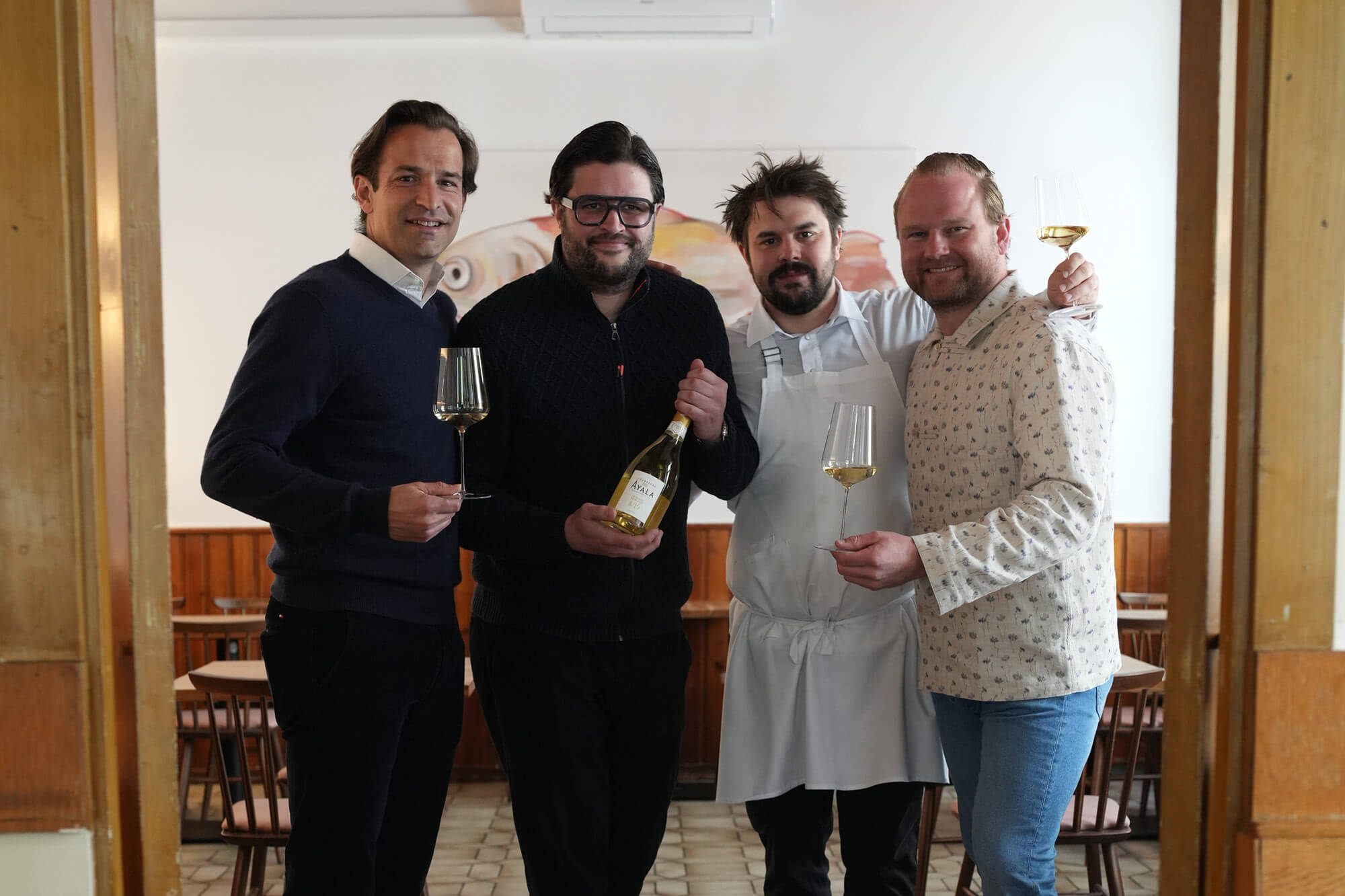
Champagne AYALA has been meeting passionate Chefs whose culinary practices go far beyond the plate — chefs whose commitment to people and the planet gives true meaning to their cuisine, chefs who are making things happen. One such encounter led the House to Chef Julian HillsLechner, Chef & Co-owner of Reznicek, in Vienna, Austria — the nineth member of the growing community of Chefs Engagés, joining the committed chefs David Sulpice at La Villa l'Etang Blanc, Luke Holder at Limewood Hotel., Gianni Pinto at Noi, Alice Arnoux at Café de l'Usine, Manon Negretti-Guichard at Bonnotte, Graham Squire at The Goring, Quentin Gallopyn at Vicomté and Julian Hills at Navi.
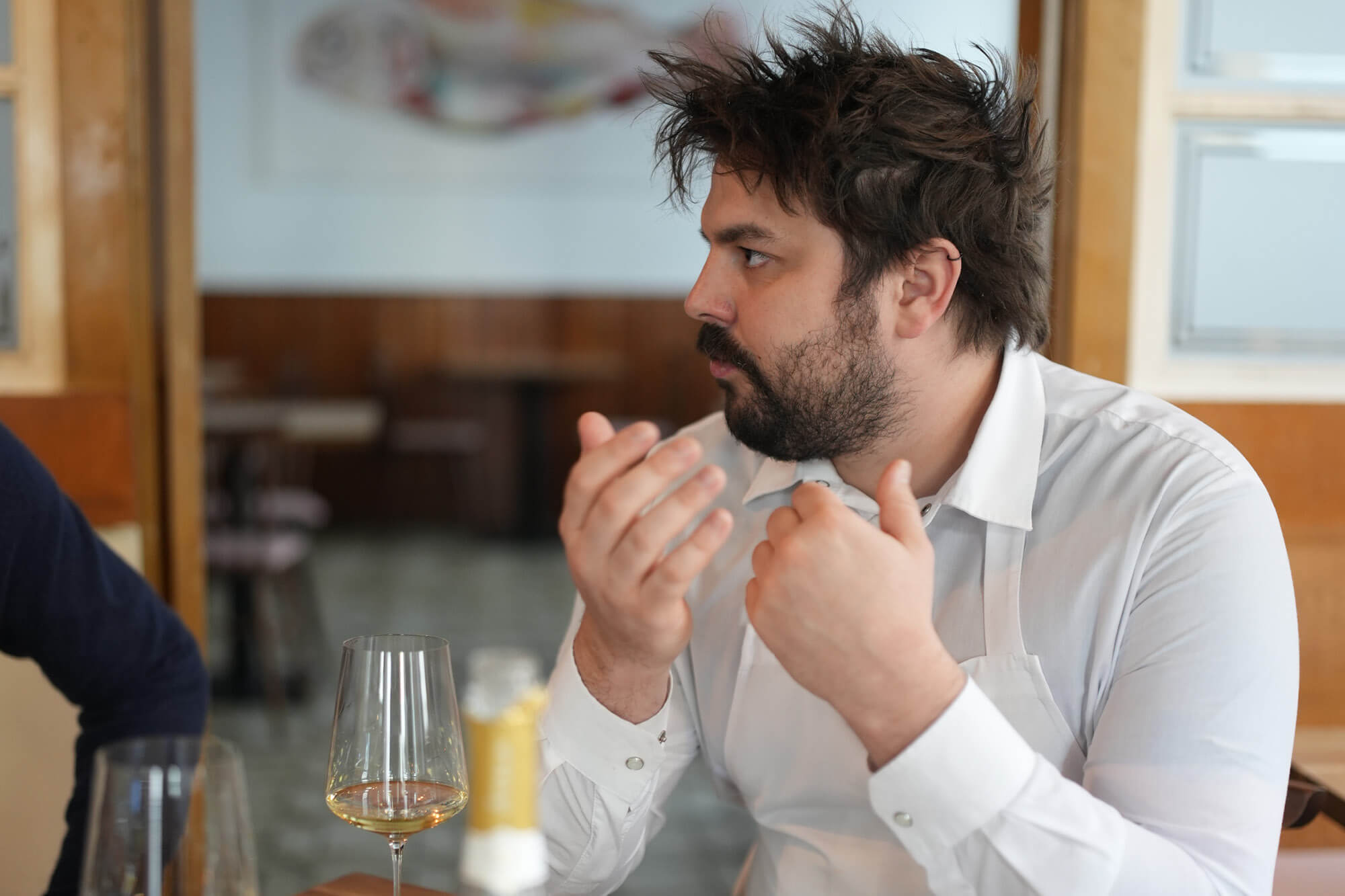
Chef Julian Lechner’s cuisine is a tribute to place, people, and tradition. Alongside his longtime friend and sommelier Simon Schubert, he has brought new life to Reznicek, a historic Viennese institution, through a cuisine that continually refines the classics while remaining deeply connected to its roots. His vision for the cuisine of tomorrow is one of thoughtful evolution: guided by quality, meaningful relationships with producers, and a commitment to offering guests a true Taste of Place.
A philosophy that resonates strongly with Champagne AYALA. Since 1860, the House has remained faithful to its founding vision, crafting pure and balanced Champagnes while staying deeply connected to its historic roots and the people who bring them to life.
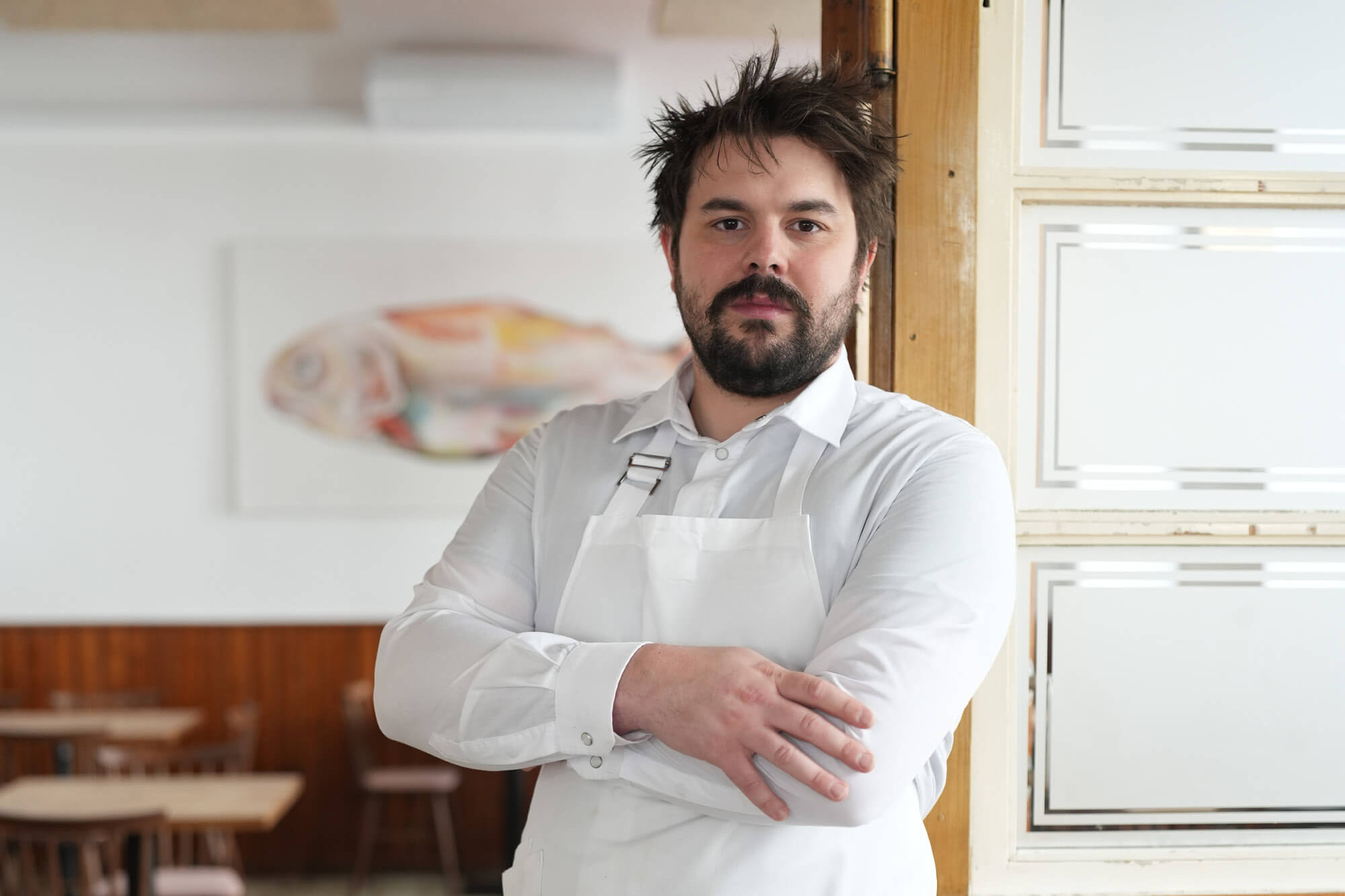
From an early age, Julian Lechner nurtured a clear and deeply personal ambition: to one day open a hotel. More than a professional aspiration, this dream was rooted in a genuine sense of hospitality — a desire to welcome guests, to create joy, and to offer memorable moments around a thoughtfully prepared dish or a carefully selected glass of wine. For him, cooking and winemaking stand among life’s most meaningful expressions, both capable of bringing people together to share in simple yet profound pleasures.
Raised in an environment where food was synonymous with warmth and positivity, his vocation was shaped early on. His mother, an accomplished cook, instilled in him a deep appreciation for cuisine — not only as a craft, but as a way to unite people. The experience of gathering around a table, in a harmonious setting, gave true meaning to the time and care devoted to preparation. This upbringing anchored his belief that food is, above all, about connection.
The reality of the profession, however, revealed its demands: long hours spent in the kitchen, often away from guests, requiring discipline and resilience. Yet, these efforts find their purpose at the end of each service — in the shared enjoyment of a fine meal, a well-paired wine, and the creation of lasting memories. This conviction continues to guide his approach today.
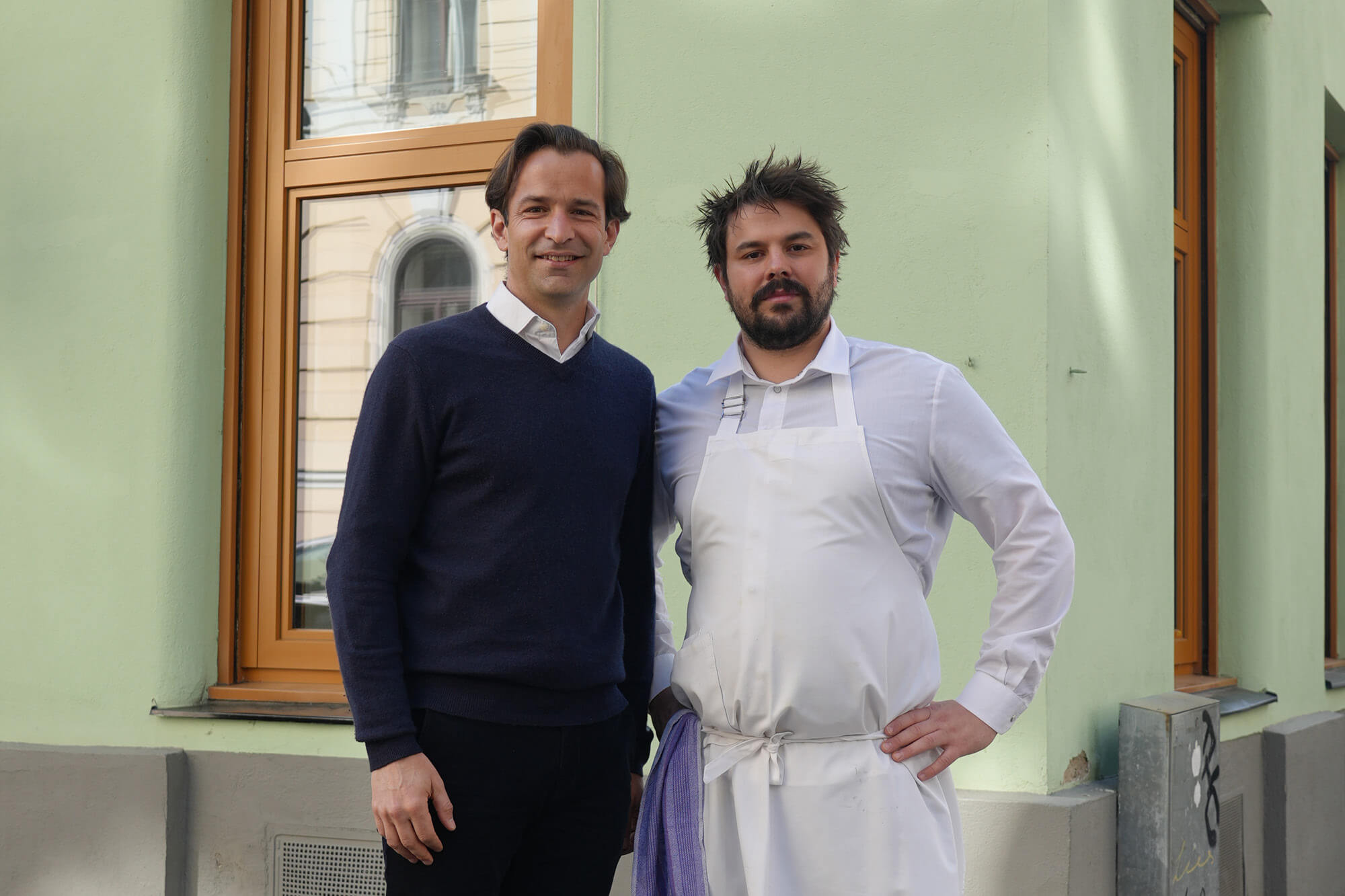
A defining chapter in his entrepreneurial journey began with his long-standing partnership with Simon, a sommelier whose expertise and sensitivity to wine perfectly complement the chef’s culinary vision. Their professional relationship, built over more than a decade, naturally evolved into a shared ambition. Eight years ago, they began envisioning a restaurant of their own. What followed was an extensive period of exploration, marked by numerous visits, concepts, and reflections, with wine consistently at the heart of the project.
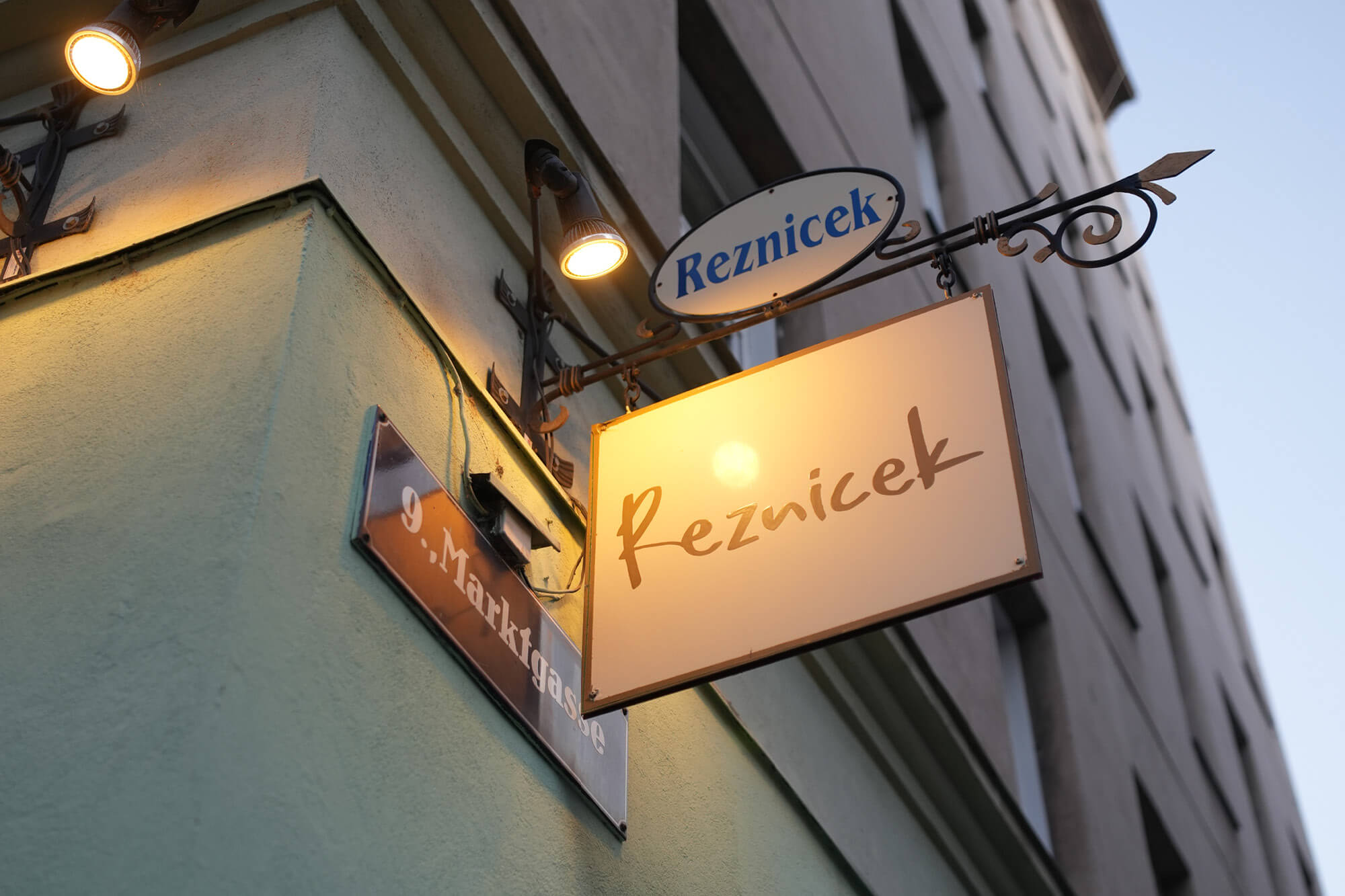
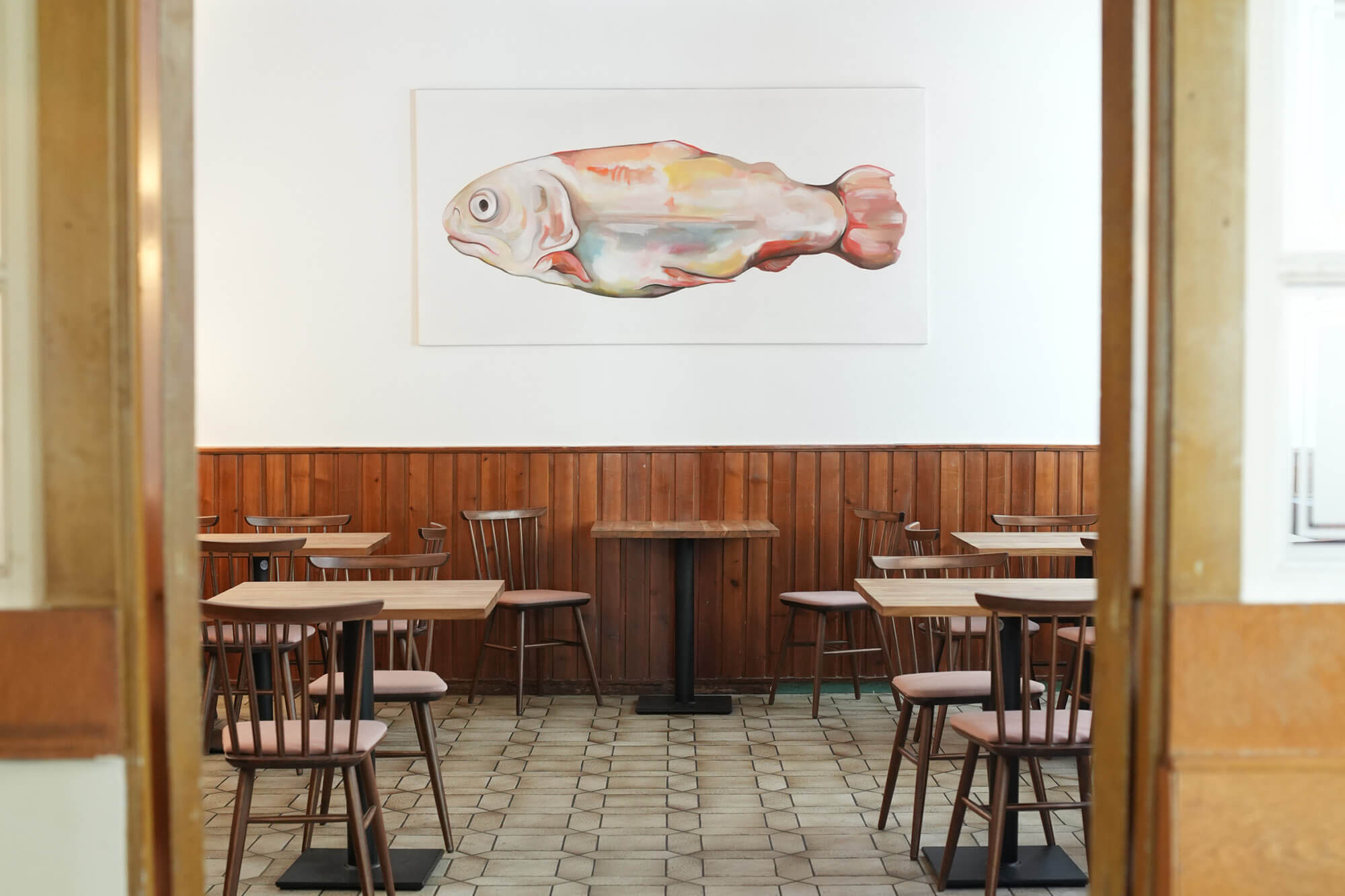
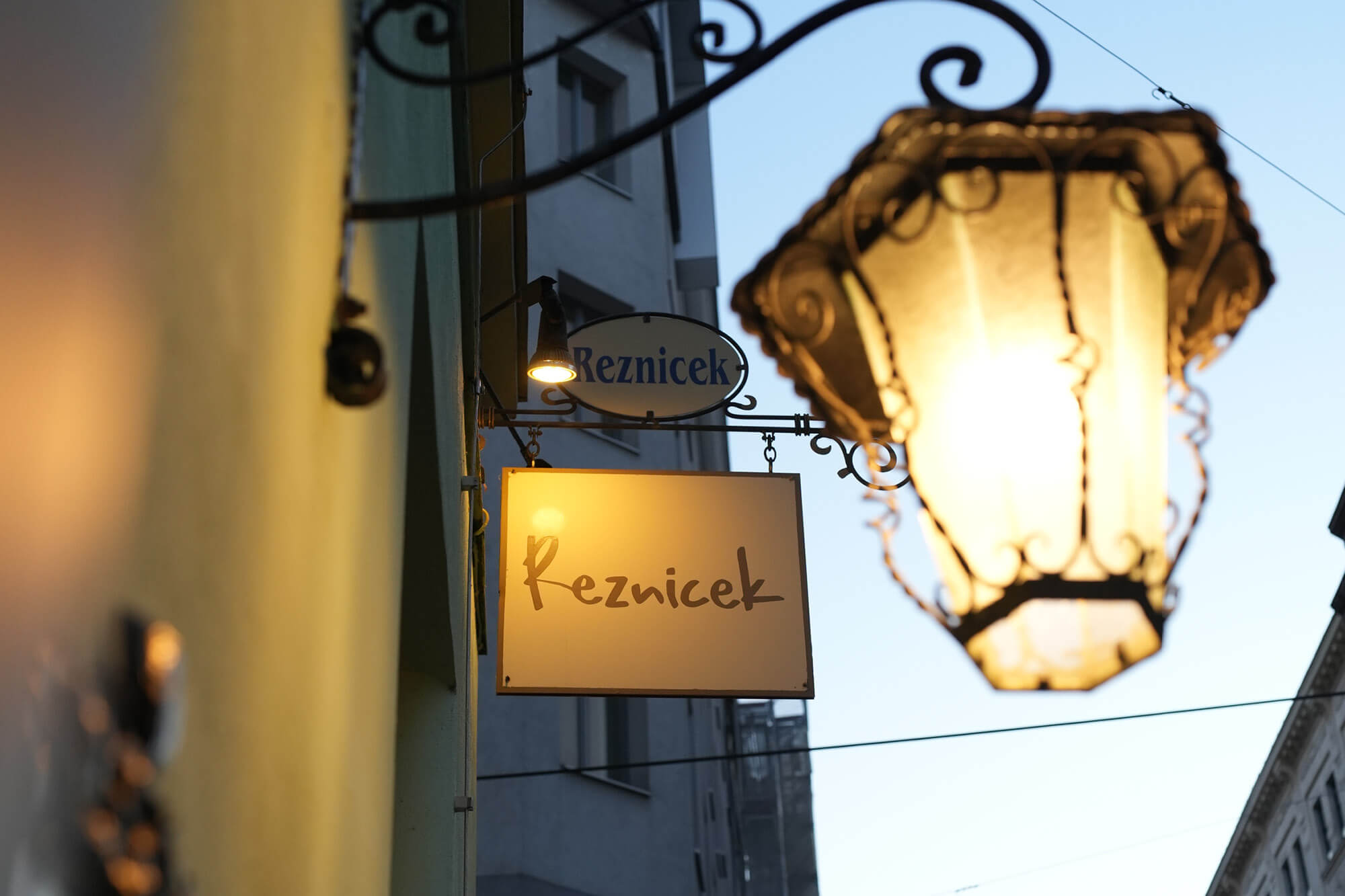
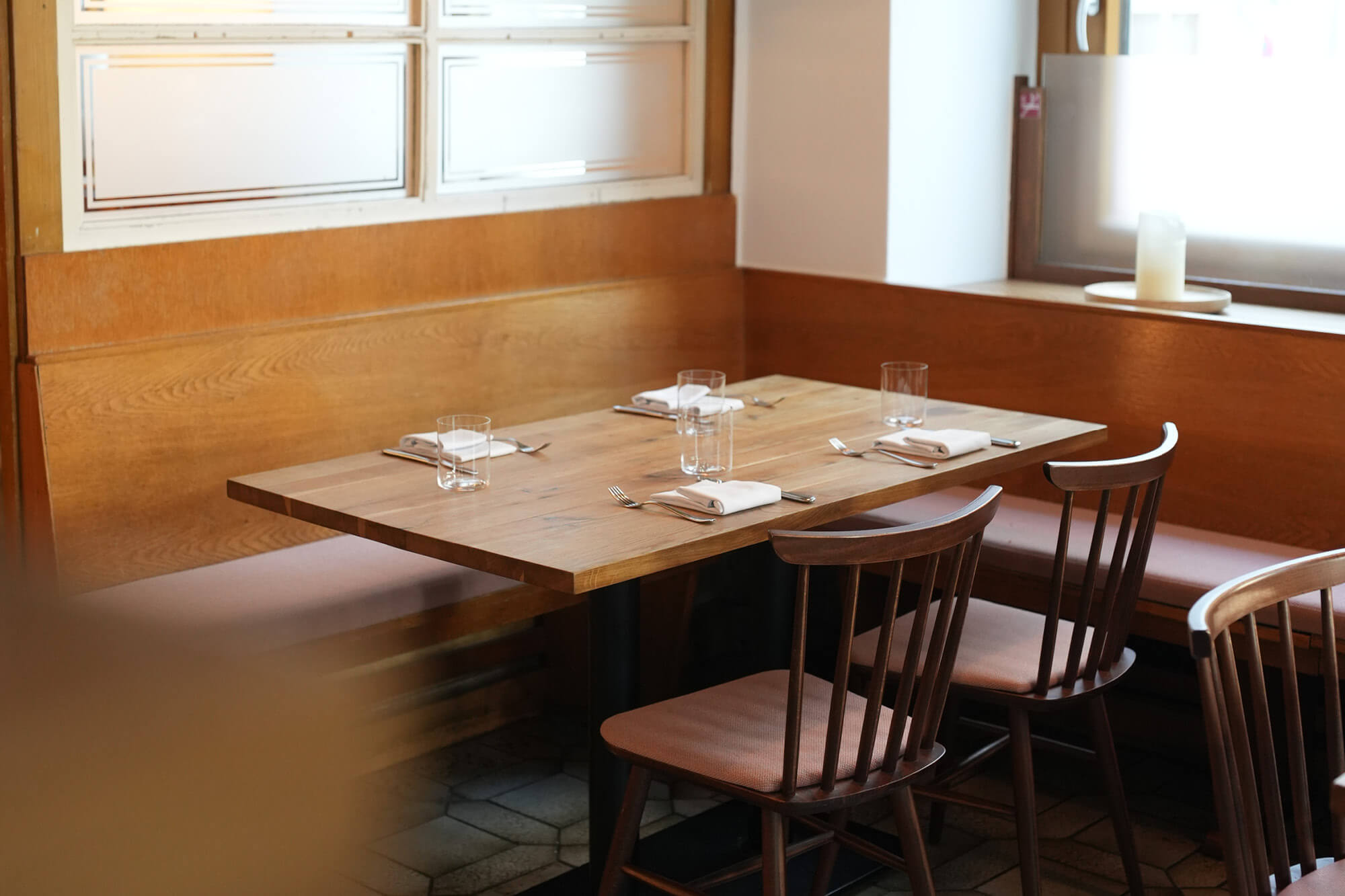
The turning point came with the discovery of Reznicek. The encounter was immediate, almost instinctive — a shared certainty that this was the place where their vision could come to life. Steeped in history and continuously operated for nearly a century, the restaurant’s strong identity and heritage became a defining influence.
This legacy inspired a cuisine rooted in a powerful Viennese tradition, which Julian Lechner seeks to revive and reinterpret with sincerity. His approach is guided by a clear philosophy: to breathe new life into classic Austrian dishes, ensuring they resonate with today’s guests while remaining faithful to their origins. The objective is not to overcomplicate, but to elevate — creating a natural harmony between the plate, the wine, and the spirit of the place.
At the core of his culinary identity lies a commitment to simplicity and precision. Whether Austrian, French, or Japanese, the cuisines he admires share a common principle: respect for the product. By selecting high-quality ingredients and treating them with restraint and accuracy, he delivers dishes that are both authentic and expressive. Few elements, executed with precision and served at their best, are enough to create a truly memorable experience.
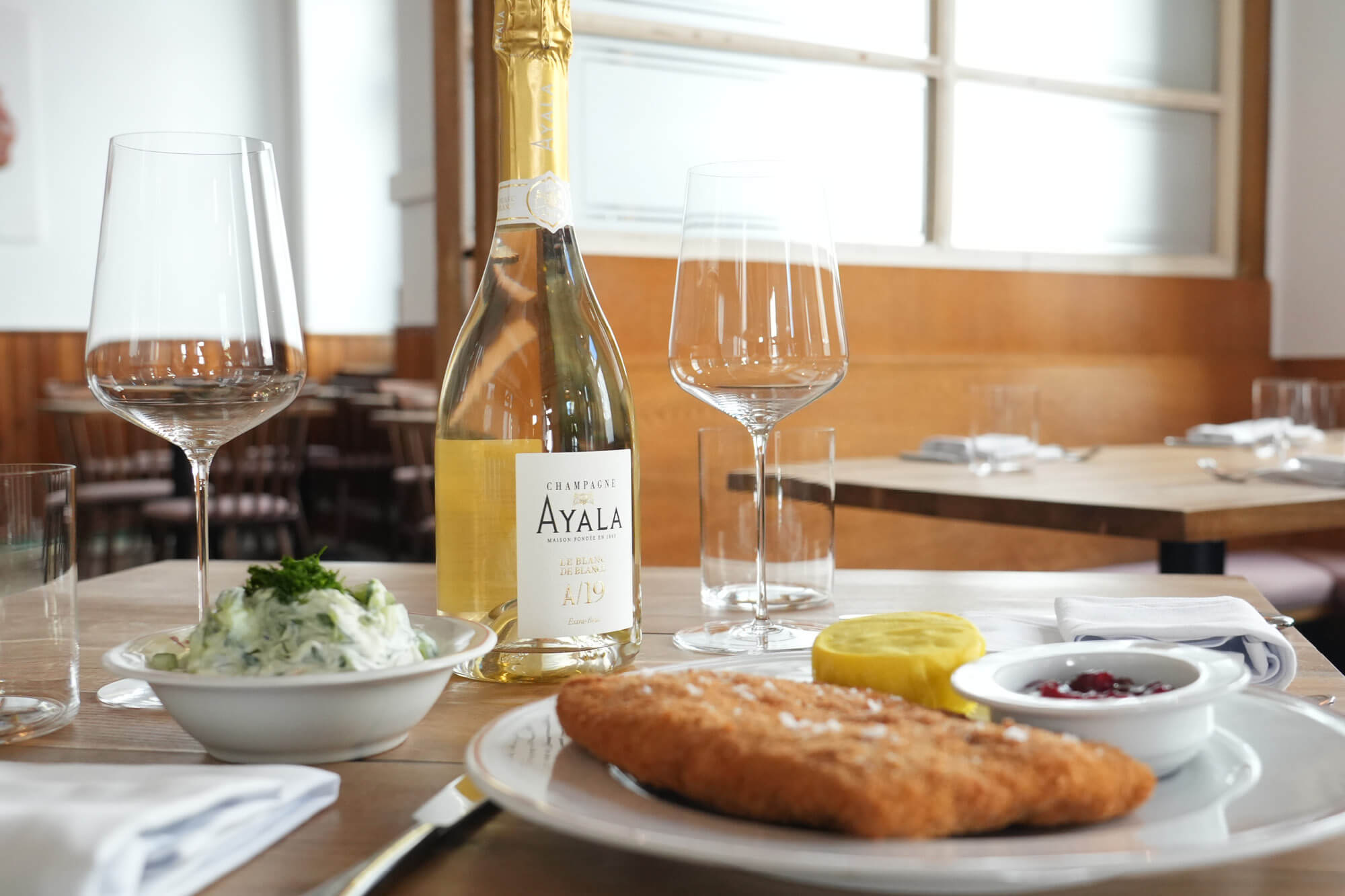
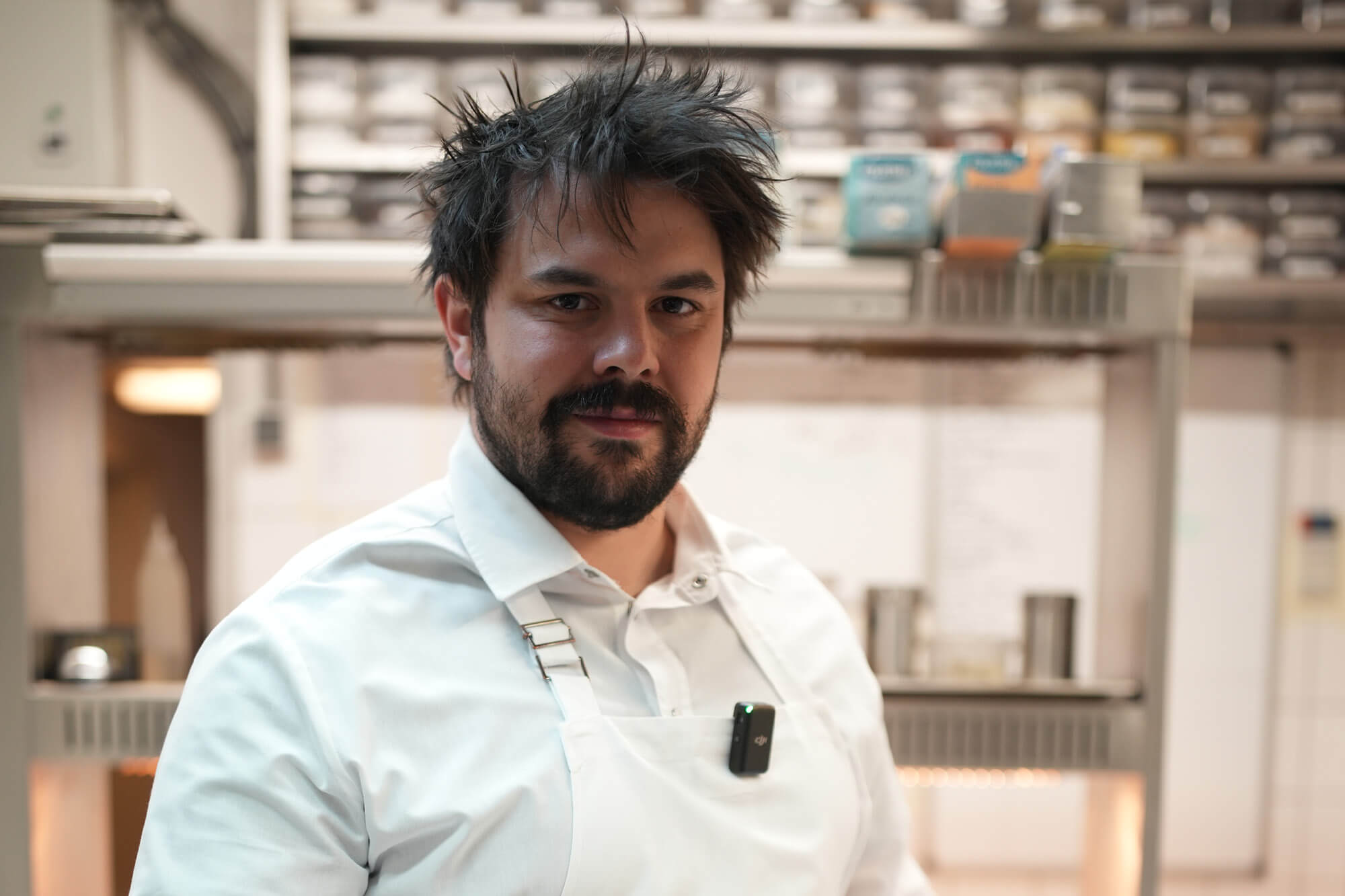
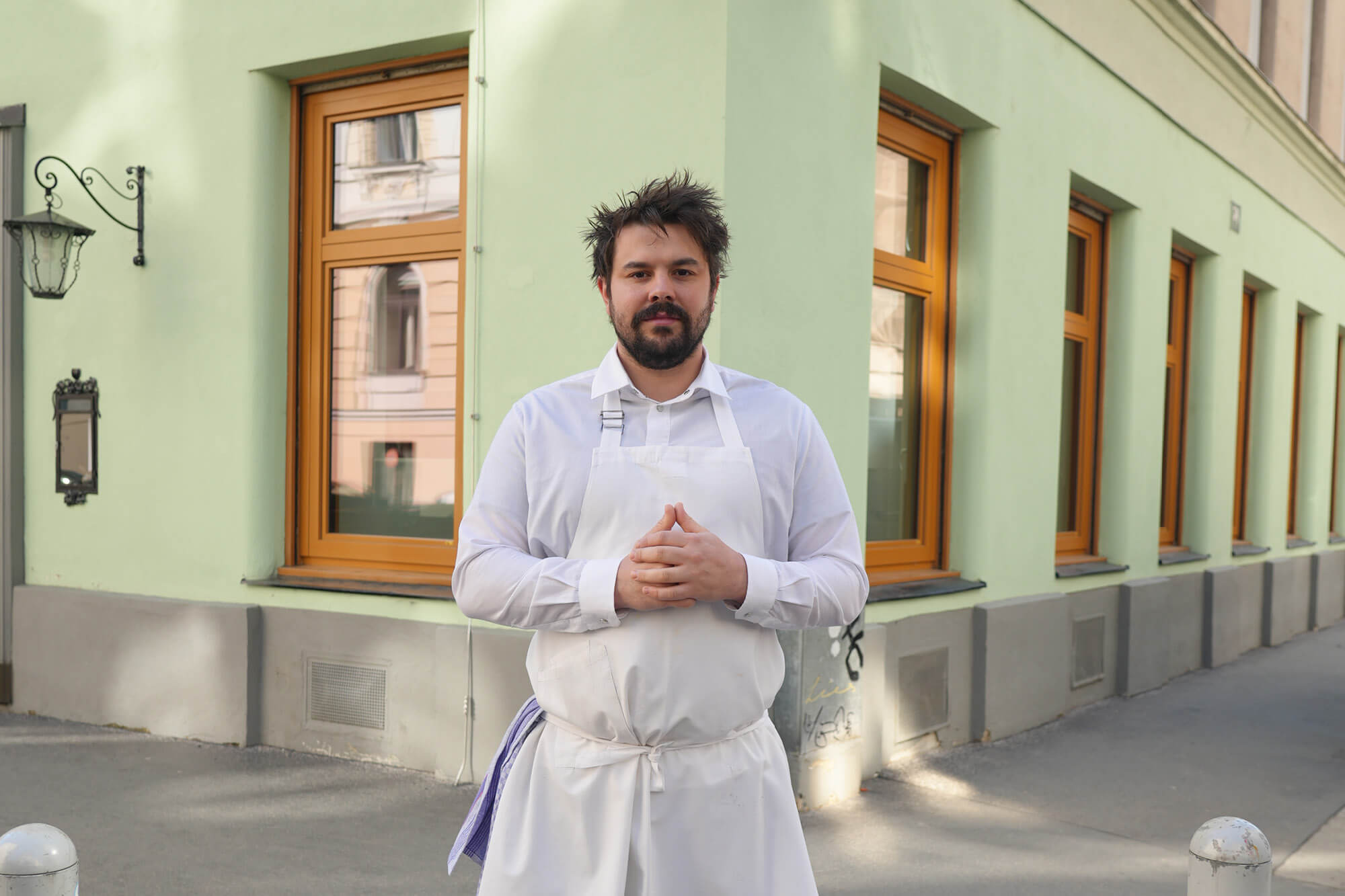
For Julian Lechner, the cuisine of tomorrow is rooted in a principle that is both simple and demanding: authenticity begins with the product. Creating an original culinary identity does not rely on complexity, but on the ability to source exceptional ingredients and to build meaningful, lasting relationships with those who produce them. Local sourcing plays a key role, not as a constraint, but as a conscious commitment — a way to ensure quality, traceability and coherence, while fostering a true dialogue between the kitchen and its ecosystem.
This philosophy takes shape in his approach to signature dishes, conceived as evolving creations rather than fixed recipes. Each dish is refined over time, reduced to its essence — often no more than four or five ingredients — where every element must find its rightful place. In this apparent simplicity lies a form of precision that demands both discipline and creativity. Much like wine, which originates from a single fruit yet gains depth and complexity through time and care, a dish, when executed with accuracy and respect, can reach a form of quiet excellence.
Looking ahead, his vision resists the fleeting nature of trends. While acknowledging their inevitability, Julian Lechner advocates for a cuisine that continuously re-examines its foundations. The future, in his view, lies in the ability to revisit classical references and elevate them — selecting the right products, understanding them deeply, and presenting them in their most accomplished form. Innovation, therefore, is not about rupture, but about refinement.
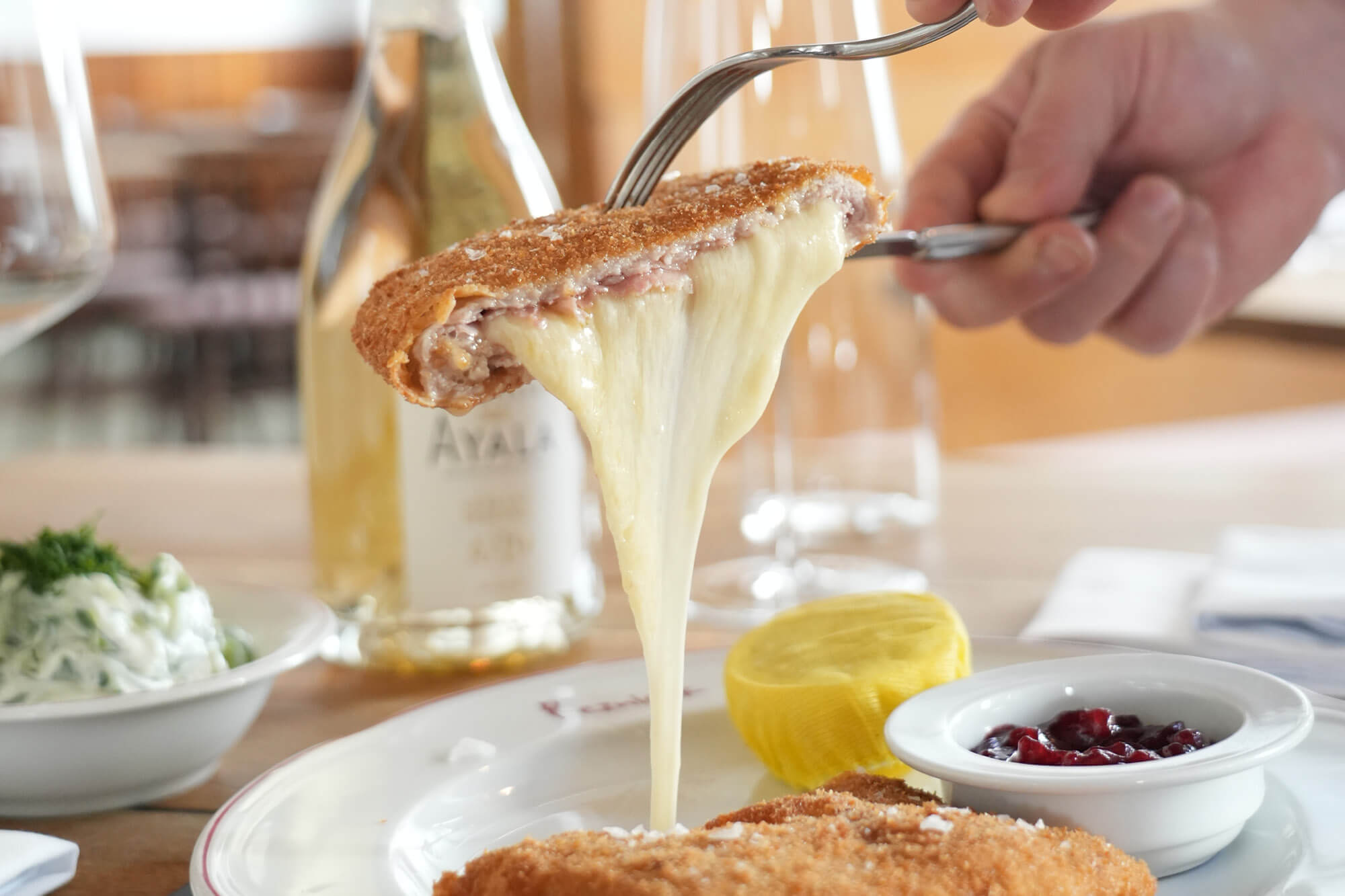
This commitment is particularly evident in the development of his interpretation of the cordon bleu at Reznicek. What appears as a familiar dish becomes the result of a meticulous and evolving process. Each decision — from the choice of cheese to the sourcing of meat — opens new paths of exploration. The collaboration with a mountain cheese producer, whose product offers the ideal balance of texture and melt, led to further encounters, notably with a butcher located just thirty kilometers from the restaurant. This proximity is not ideological, but practical: it allows for consistency, responsiveness, and a sustained level of quality, essential to serving the dish daily while maintaining high standards.
Beyond the plate, this approach nurtures a sense of pride and purpose within the team. Every element can be traced, explained, and shared with the guest, reinforcing a tangible connection to the region. A dish such as cordon bleu may exist elsewhere, but here it becomes inseparable from its origin — shaped by specific producers, landscapes, and choices. The ambition is clear: to create an experience that cannot be replicated, where guests recognize something singular and meaningful.
This vision also pays tribute to the producers themselves, whose daily commitment mirrors that of the kitchen. Achieving even part of this ideal — that a guest might say, “this is something I can only experience here” — represents, for the chef, a true form of success.
Among the ingredients that embody this philosophy, one holds particular significance: Styrian pumpkin seed oil, brought from the south of Austria and used extensively in his cuisine. Unrefined and deeply expressive, it reflects a personal connection as much as a culinary choice — a reminder that behind every ingredient lies a story, a place, and an intention.
Ultimately, through a cuisine that may appear simple yet is built on precision, sourcing and conviction, Julian Lechner demonstrates that the future of gastronomy lies not in excess, but in clarity — where the best products, thoughtfully chosen, have the power to surprise, move, and endure.